
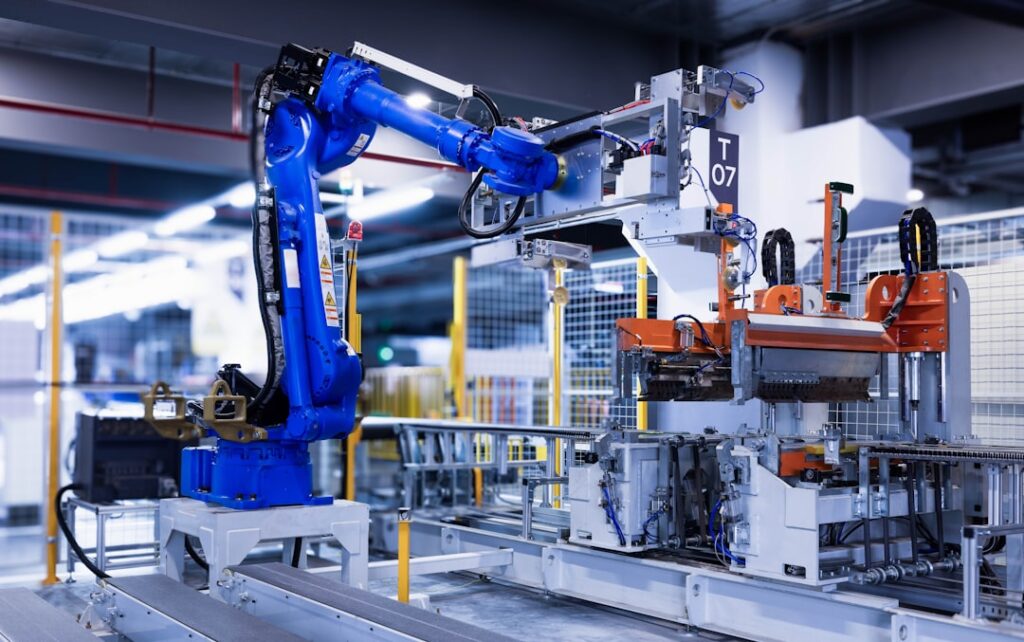
Why Manufacturing and Logistics Are Driving Odoo 20’s Roadmap
At this year’s Odoo Experience conference, one theme stood out above almost every other: supply chain and shop floor operations. Logistics and manufacturing topics led the entire session schedule, taking the top spot ahead of AI, finance, and compliance tracks combined. That’s a strong signal about where Odoo 20 is heading — and it reflects a broader shift in the ERP market, where businesses are actively replacing legacy manufacturing systems with more flexible, modern platforms.
If you run a manufacturing operation, a warehouse, or a logistics-heavy business, Odoo 20 is shaping up to be one of the most significant releases in the platform’s history for your industry specifically.
Replacing Legacy ERPs on the Factory Floor
Traditional manufacturing ERP systems were built decades ago around rigid, monolithic architectures. They’re difficult to customize, expensive to maintain, and often require specialized consultants just to make small workflow changes. Odoo 20 is being positioned specifically to compete with — and replace — these legacy systems in complex factory and logistics environments.
What makes this shift possible is Odoo’s modular, open-source foundation. Instead of forcing every business into the same rigid manufacturing workflow, Odoo lets you configure work centers, bills of materials, quality checkpoints, and routing rules to match how your factory actually operates — not how a 20-year-old software vendor assumed it should operate.
Key Manufacturing and Logistics Improvements Coming in Odoo 20
While full release notes are still rolling out, several themes have already emerged clearly from Odoo 20’s development priorities:
- Deeper shop floor visibility — real-time tracking of work orders, machine status, and production bottlenecks directly inside the ERP, rather than in a separate MES system.
- Smarter inventory and warehouse automation — improved putaway, replenishment, and picking logic designed to reduce manual intervention in high-volume warehouses.
- Expanded native shipping integrations — Odoo’s R&D team has confirmed new out-of-the-box connectors for major international and regional shipping carriers, reducing the need for custom shipping API integrations.
- Tighter quality control workflows — configurable quality checkpoints tied directly to manufacturing orders, so defects are caught and logged without leaving the production module.
- Better multi-warehouse and multi-company support — increasingly important for manufacturers running distributed production or fulfillment across regions.
How This Helps Manufacturers and Logistics Teams Specifically
For manufacturers, the combination of shop floor visibility and quality workflows means fewer surprises between planning and production. A production manager can see exactly where a work order stands, which machines are bottlenecked, and where quality issues are occurring — all inside the same system used for purchasing, sales, and accounting. That single-source-of-truth approach eliminates the data silos that plague businesses running separate MES, WMS, and ERP systems that don’t talk to each other cleanly.
For logistics and warehouse operations, expanded native carrier integrations and smarter replenishment logic translate directly into lower shipping costs and fewer stockouts. Instead of manually reconciling data between your ERP and a third-party shipping platform, rates, labels, and tracking can be handled natively — reducing both software costs and the risk of human error in order fulfillment.
Why This Matters Even If You’re Not Purely a Manufacturer
It’s worth noting that these improvements aren’t limited to traditional factories. Any business with physical inventory — distributors, e-commerce operations, retailers with warehousing needs — stands to benefit from the same underlying improvements to inventory accuracy, shipping integration, and warehouse automation. Odoo’s manufacturing module and its inventory/logistics module share the same underlying data model, so improvements to one often strengthen the other.
Planning Your Move to Odoo 20
If you’re currently running an older version of Odoo, or a legacy manufacturing ERP altogether, now is a good time to start evaluating what an upgrade or migration to Odoo 20 would look like for your specific operation. Key questions worth asking early include:
- Which of your current manual workflows (quality checks, shipping label generation, replenishment decisions) could be automated with Odoo 20’s new manufacturing and logistics features?
- Do you currently rely on a separate MES or WMS system that could potentially be consolidated into Odoo, reducing software costs and integration overhead?
- Which shipping carriers do you use, and are they among the newly supported native integrations?
- What is your realistic timeline and budget for migration, including staff training and data cleanup?
Manufacturing and logistics migrations are rarely simple — they touch inventory data, supplier relationships, and often years of accumulated customizations. Working with an experienced Odoo implementation partner can help you map your current processes to Odoo 20’s new capabilities, avoid common migration pitfalls, and get the platform configured correctly the first time rather than needing costly rework later.
The Bottom Line
Odoo 20 isn’t just adding features for manufacturing and logistics teams — it’s being built with these industries as a primary design priority. For businesses still relying on outdated, disconnected systems to manage production and warehousing, this release represents a genuine opportunity to consolidate operations, cut costs, and gain the kind of real-time visibility that legacy ERPs were never designed to provide.
Pingback: What Is Odoo ERP? Features, Benefits & Business Guide (2026) - Insightful ERP Solution
Pingback: Cloud-First Odoo: Odoo.sh vs AWS, Azure & GCP Hosting
Pingback: Odoo Statistics 2026: Market Share, Growth, and Why Businesses Are Switching - Insightful ERP Solution
Pingback: Odoo Experience 2026: Odoo 20 Launch, Dates & What to Expect